On-Camera Confidence: How to Present Well in Virtual Meetings
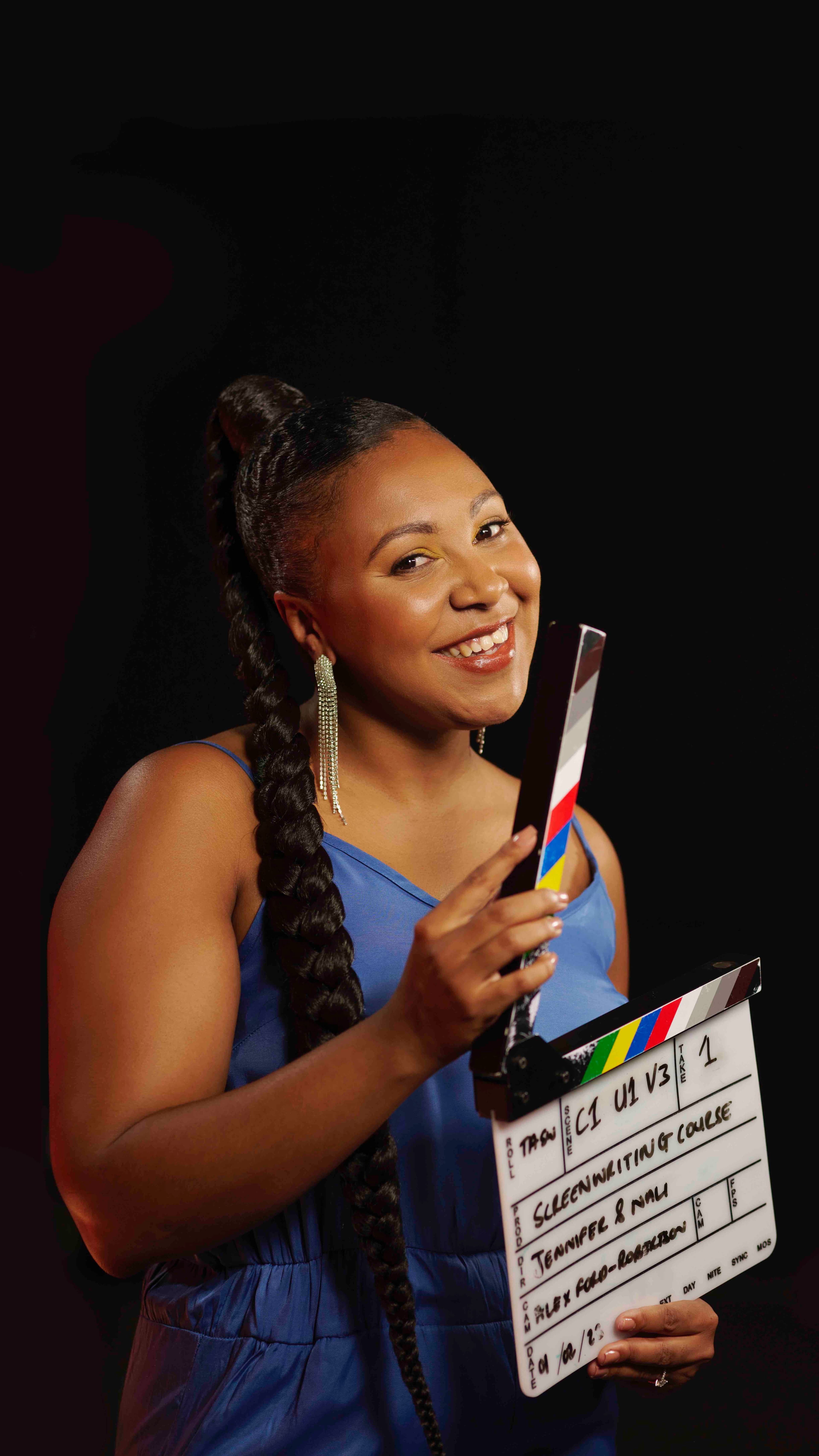
Presenting well on camera comes down to three fixes: put the lens at eye level and look into it, light your face from the front, and raise your energy 10–15% above normal conversation. The camera flattens and shrinks everything — presence, warmth, volume — so what feels natural in the room reads as flat on screen. Broadcasters compensate deliberately; so can you.
This guide is for professionals who now do a meaningful share of their speaking through a lens: virtual meetings, webinars, recorded videos, hybrid conferences, and social content. It distils what I have learned across 15+ years of live television into a practical setup-and-delivery playbook — the same foundation as my On-Camera Confidence course.
Key Takeaways
- Camera at eye level, an arm's length away, with your eyes in the top third of the frame — no ceilings, no nostrils.
- Look at the lens to make eye contact; looking at faces on screen reads as looking down.
- Audio outranks video: viewers forgive soft images but abandon bad sound.
- Virtual audiences fatigue faster — Stanford research documents why — so shorter segments and more interaction win.
In This Article
- Why the camera changes the job
- The 5-point setup checklist
- Eye contact with a lens
- Energy, pace, and gesture on screen
- Keeping a virtual audience engaged
- Presenting through disruptions
- Frequently asked questions
Why the Camera Changes the Job
On stage, your presence fills a shared physical space. On camera, you are a small, flat rectangle competing with email. Research from Stanford University's Virtual Human Interaction Lab, led by professor Jeremy Bailenson, identified why video calls exhaust people faster than meetings: sustained close-up eye gaze, the cognitive load of reading compressed nonverbal cues, and the fatigue of watching yourself. His 2021 paper on "Zoom fatigue" in the journal Technology, Mind, and Behavior is worth knowing because it defines your job as an on-camera presenter: lower the viewer's effort. Clear audio, a clean frame, direct eye contact, and generous energy all reduce the work your audience must do to stay with you.
The 5-Point Setup Checklist
- Camera at eye level, arm's length away. Stack the laptop on books if needed. An upward angle gives the audience your ceiling and your chin; downward angles feel surveillance-like. Frame yourself with eyes in the top third and a little headroom.
- Light your face from the front. Face a window, or place a lamp or ring light behind the camera. Never sit with a window behind you — backlighting turns you into a silhouette. One soft front light is worth more than an expensive camera.
- Fix the audio first. Use a wired headset, lapel mic, or USB microphone rather than the laptop's built-in mic, and record in a soft room — curtains, carpet, cushions kill echo. Viewers tolerate average video for hours but abandon poor audio in minutes.
- Clean the frame. A tidy, slightly personal background (bookshelf, plant) beats both chaos and fake-beach virtual backgrounds, which flicker around your outline and quietly say "I hide things".
- Do a 60-second tech rehearsal. Join your own meeting early: check framing, lighting, sound, and close every app that can ping. Professional broadcasters check the shot every single time; that habit is the difference.
Eye Contact With a Lens
The hardest on-camera habit is also the highest-value one: look into the lens when you speak, not at the faces on your screen. On their side, lens-contact feels like you are looking directly at them; screen-watching reads as distracted downward glances. Television presenters spend entire careers making a glass circle feel like a person — these tricks shortcut it:
- Stick a small arrow or dot beside the lens as a reminder, or move your meeting window to the top of the screen directly under the camera.
- Speak to the lens when delivering; glance at the gallery only when others talk or you invite response.
- Imagine one specific, friendly person just behind the lens and talk to them — it warms your tone instantly.
Energy, Pace, and Gesture on Screen
The camera eats energy. Delivery that feels appropriately animated in person arrives flat on screen, so professionals deliberately perform about 10–15% "bigger": slightly more vocal variety, more facial expression, crisper emphasis. It will feel like too much to you and look exactly right to your audience — record 60 seconds and compare for yourself.
Keep your pace at conversational speed or a touch below — around 140–150 words per minute — because compressed audio and small speakers punish rushing. Gesture works on camera, but inside a tighter box: hands visible, movements smaller and slower than on stage, shoulders relaxed. And sit or stand tall; the frame magnifies slouch. The fundamentals of voice and body language still apply — just scaled to the frame.
Keeping a Virtual Audience Engaged
Attention on video is a leaky bucket. Plan for it structurally:
- Chunk your content: change something — a question, a slide, a story, a poll — every 3–5 minutes. Never lecture into the void for 20.
- Use names: "Thandi, this next part answers your earlier question" re-engages the whole room, not just Thandi.
- Ask for visible responses: reactions, chat answers, hands up on camera. Passive audiences switch to email; participating ones cannot.
- Start on time and end 5 minutes early. On camera, generosity with time is remembered even more than in person.
Presenting Through Disruptions
Live television teaches you that something always goes wrong — the skill is continuing gracefully. For South African presenters, load-shedding makes this literal: know your backup before you need it. Keep your laptop charged, a phone hotspot ready, and your slides shared with a co-host who can take over for 5 minutes if you drop. When disruption hits, name it lightly ("You have got a silent movie version of me — give me 20 seconds"), fix it, and continue. Audiences remember composure, not glitches. A prepared recovery is a confidence technique in its own right — more in building speaking confidence.
Frequently Asked Questions
Where should I look when presenting on a video call?
Look directly into the camera lens whenever you are speaking — that is what creates eye contact on the viewer's screen. Position your meeting window directly below the camera so glancing at faces keeps your gaze close to the lens, and look at the screen only when others speak.
What is the best camera setup for virtual presentations?
Camera at eye level about an arm's length away, your eyes in the top third of the frame, soft light on your face from behind the camera, and a tidy real background. Prioritise a decent microphone over a better camera — audio quality drives whether people stay.
Why do I look and sound flat on camera?
The camera compresses energy, so normal conversational delivery reads as low-affect on screen. Deliberately raise your expressiveness 10–15% — more vocal variety, more facial animation, crisper emphasis — and record a one-minute test. What feels slightly exaggerated to you looks natural to viewers.
How long should a virtual presentation be?
Shorter than in person. Attention on video decays faster, so aim for 20–30 minutes of content broken into 3–5 minute segments with interaction between them, and leave time for discussion. For webinars, 45 minutes including Q&A is a practical ceiling.
Conclusion
On-camera confidence is a checklist, not a gift: lens at eye level, light on your face, audio handled, eyes to the lens, energy up 10–15%, content chunked for a distracted medium, and a backup plan for the day the power dips. Set up once, rehearse for 60 seconds, and you will out-present most of the professional world before you say a word.
If you want to go deeper, this is literally my course: On-Camera Confidence trains executives, entrepreneurs, and presenters to own the lens. Get in touch, or start with the complete guide to public speaking.
Laurian Nortje is a SAFTA-nominated broadcaster, international keynote speaker, and MC with over 15 years in the media industry. More about Laurian.