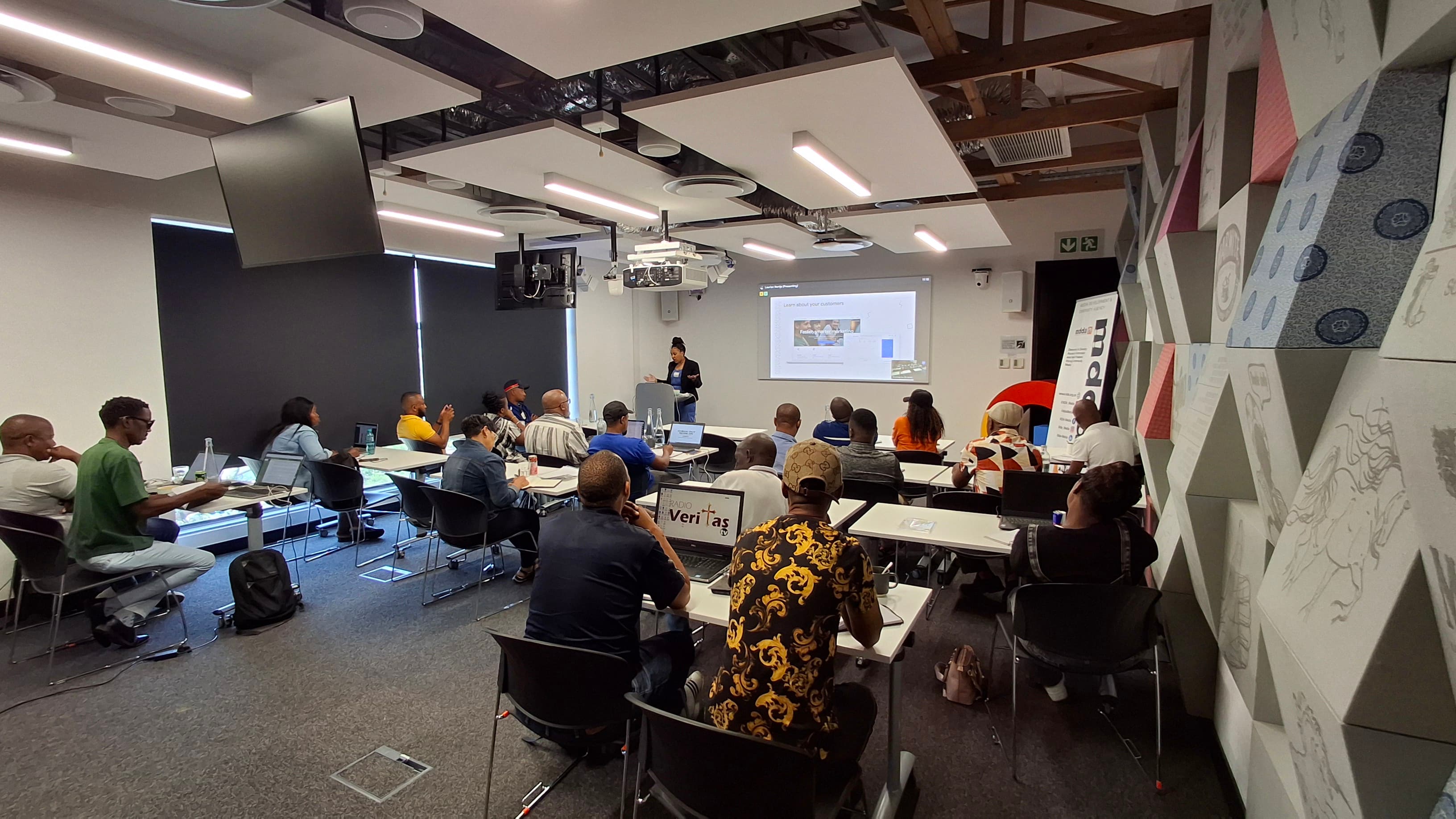
The fastest way to build confidence for public speaking is to stack small, controllable wins: prepare properly, manage your body's stress response, and expose yourself to speaking in gradually bigger doses. Nerves never fully disappear — after 15+ years on live television and stages, mine still arrive right on schedule — but you can train them to work for you instead of against you.
This article is for anyone whose heart races at "would you like to say a few words?" — from first-time wedding speakers to executives facing their first big keynote. Here are the twelve techniques I use myself and teach my coaching clients, grouped into three phases: before, during, and after your talk.
Key Takeaways
- Speaking anxiety is normal: public speaking consistently ranks among the most common fears in surveys like Chapman University's Survey of American Fears.
- Reframing nerves as excitement measurably improves performance — calming down is the wrong goal.
- Rehearsing aloud 3–5 times and memorising only your first 30 seconds beats memorising a script.
- Confidence compounds through exposure: small, frequent, low-stakes speaking builds it faster than rare big moments.
In This Article
- Why you get nervous (and why that is fine)
- Before the talk: 6 preparation techniques
- During the talk: 4 in-the-moment techniques
- After the talk: 2 habits that compound
- Frequently asked questions
Why You Get Nervous — and Why That Is Fine
Stage fright is your threat-detection system doing its job: all eyes on you once meant danger, so your body releases adrenaline — faster heart, quicker breath, sweaty palms. That same chemistry, though, is what sharpens you. The Yerkes–Dodson law, described by psychologists Robert Yerkes and John Dodson back in 1908, shows performance actually peaks at a moderate level of arousal. A totally calm speaker is often a flat speaker.
The proof that reframing works: Harvard Business School professor Alison Wood Brooks found in her 2014 study "Get Excited: Reappraising Pre-Performance Anxiety as Excitement" that people who simply said "I am excited" before public speaking were rated more persuasive, competent, and confident than those who told themselves to calm down. Anxiety and excitement are nearly identical in the body — the label you choose changes how you perform.
Before the Talk: 6 Preparation Techniques
1. Prepare the message, not a script
Write your talk as a structure — opening, three points, close — not a word-for-word script. Scripts create a fear of forgetting lines; structures let you speak naturally. If structure is your weak spot, start with my guide to structuring a speech.
2. Rehearse aloud, 3–5 times, standing up
Reading silently is not rehearsal. Say the talk out loud, standing, timed on your phone. Three to five full run-throughs is the sweet spot for a short talk — enough to be fluent, not so many that you sound robotic.
3. Memorise only your first 30 seconds
Nerves peak in the opening minute. Knowing your first 3–4 sentences cold gives you a runway: by the time you finish them, your body has settled and your structure carries you.
4. Visualise the whole event — including recovery
Sports psychologists have athletes rehearse mentally for a reason. Spend 5 minutes visualising the room, walking up, delivering your opening — and, crucially, calmly recovering from a stumble. You are training your brain to treat the moment as familiar.
5. Scout the venue
Arrive 30–45 minutes early. Stand where you will speak, test the microphone, click through your slides. Every unknown you remove is a worry your brain no longer has to run in the background.
6. Build an exposure ladder
Confidence is dose-dependent. Rank speaking situations from easy (voice note, toast among friends) to hard (conference keynote) and climb one rung at a time. A Toastmasters club — there are dozens across South Africa — is a purpose-built ladder with a friendly audience attached.
During the Talk: 4 In-the-Moment Techniques
7. Breathe in a box
Two minutes before you are introduced: inhale for 4 seconds, hold for 4, exhale for 4, hold for 4. Repeat 4–6 cycles. This "box breathing" pattern, used by military units and emergency responders, directly slows your heart rate via the vagus nerve.
8. Say "I am excited" — out loud
It sounds absurd. It is also the single best-evidenced pre-talk intervention we have (see the Brooks study above). Label the adrenaline as fuel.
9. Find three friendly faces
Every audience contains nodders. Find one on the left, centre, and right, and deliver your talk to them in rotation. Their micro-feedback — nods, smiles — calms you in real time, and to everyone else you appear to be commanding the whole room.
10. Slow down and land on silence
Adrenaline compresses your sense of time; nervous speakers rush. Aim for a conversational 140–160 words per minute, and when you lose your place, simply pause. A 3-second silence feels like an eternity to you and like thoughtful emphasis to your audience. Pausing is also core to strong delivery — see my voice projection techniques.
After the Talk: 2 Habits That Compound
11. Debrief on paper within 24 hours
Write three lines: what worked, what wobbled, one fix for next time. Nervous memory exaggerates failures; a written record keeps score honestly and becomes a bank of evidence that you are improving.
12. Book the next talk immediately
Confidence decays without repetitions. Before the adrenaline fades, commit to your next speaking moment — a meeting contribution, a club speech, a webinar. Frequency, not intensity, is what rewires your baseline.
Frequently Asked Questions
How do I stop my voice from shaking when presenting?
A shaking voice is under-supported breath. Before speaking, do 4–6 cycles of box breathing (4 seconds in, hold, out, hold), then speak on a full breath from your diaphragm, slightly slower and louder than feels natural. The tremor usually settles within the first minute as adrenaline drops.
Is it normal to still be nervous after years of speaking?
Completely. Experienced speakers — myself included — still feel adrenaline before walking on stage or going live on air. The difference is interpretation: with practice, the same sensations register as readiness rather than danger, and you develop routines that channel them.
How long does it take to become a confident public speaker?
With deliberate practice — speaking at least 2–3 times per month, rehearsing aloud, and collecting feedback — most people feel a clear shift within 3–6 months. One-off intensive courses help with technique, but consistency of repetitions is what moves the needle.
Conclusion
Building confidence for public speaking is not about eliminating fear — it is about preparing so well, and exposing yourself so regularly, that fear becomes background noise. Start with one technique from each phase: rehearse your next talk aloud three times, box-breathe before you begin, and debrief on paper when you are done.
And if you want a coach in your corner, this is exactly what I do — from executive coaching to my On-Camera Confidence programme. Get in touch, or explore the full complete guide to public speaking.
Laurian Nortje is a SAFTA-nominated broadcaster, international keynote speaker, and MC with over 15 years in the media industry. More about Laurian.