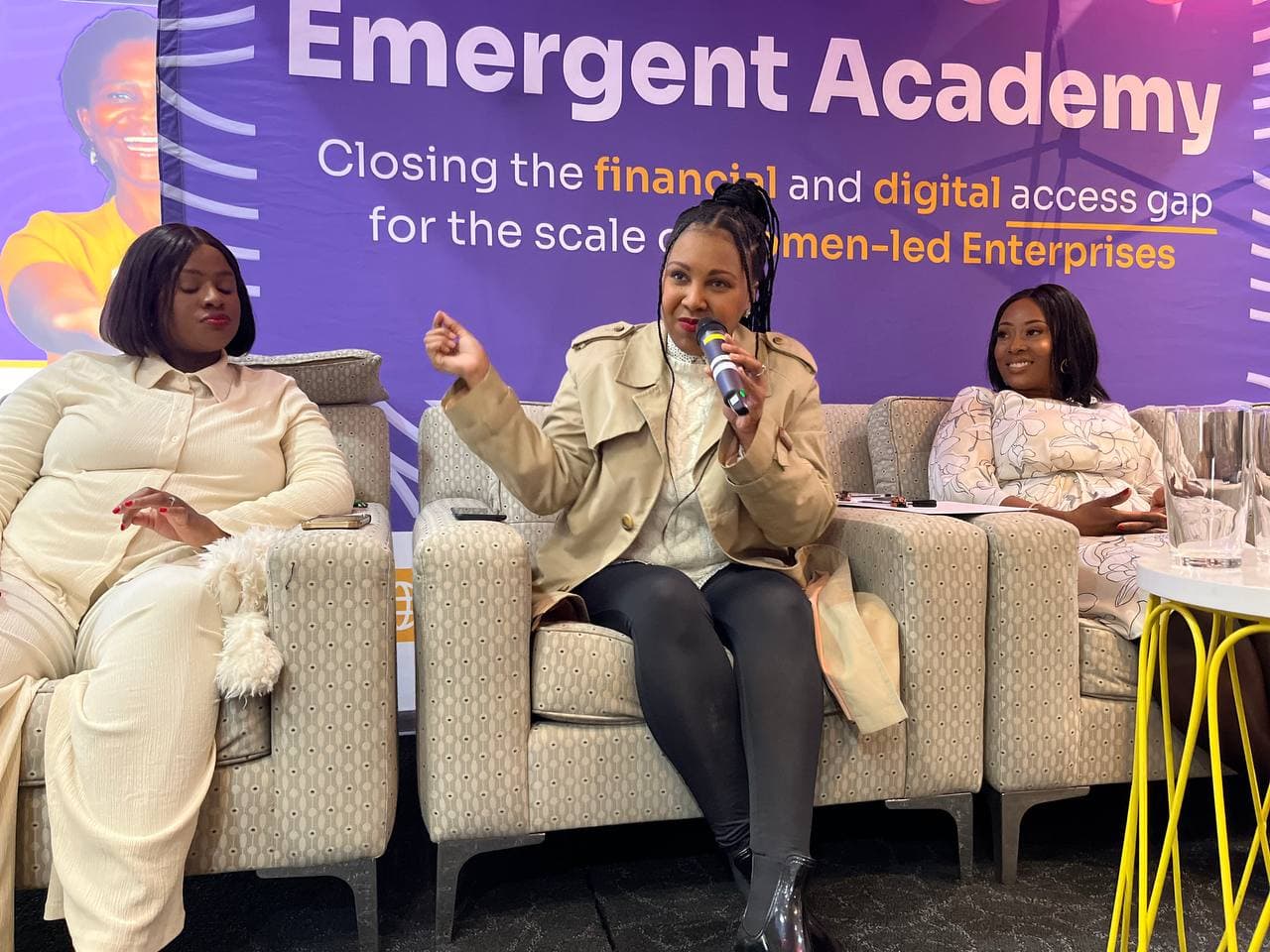
The secret to handling Q&A sessions and impromptu speaking is structure under pressure: pause for 1–2 seconds, answer with a simple framework like PREP (Point, Reason, Example, Point), and stop talking when the answer is complete. Unscripted moments feel like tests of genius; they are actually tests of composure and template. Both are trainable.
This article is for anyone the microphone finds without warning: presenters facing audience questions, executives fielding board challenges, panellists, and everyone who has been ambushed by "would you like to add a few words?" As an MC and live broadcaster for over 15 years, unscripted is my native habitat — these are the frameworks that make it feel safe.
Key Takeaways
- A deliberate 1–2 second pause before answering reads as thoughtfulness and buys your brain planning time.
- PREP — Point, Reason, Example, Point — turns any question into a 30–60 second structured answer.
- Repeat or rephrase questions before answering: the room hears it, you confirm understanding, and you gain 5 more seconds.
- "I don't know, and here is how I will find out" beats a bluff every single time.
In This Article
- Why unscripted moments feel scary
- Impromptu frameworks that always work
- The Q&A playbook, step by step
- Hostile, off-topic, and unanswerable questions
- How to train spontaneity
- Frequently asked questions
Why Unscripted Moments Feel Scary
Prepared speaking has a safety net: you know what comes next. Q&A removes the net, and your brain responds by treating every question as a threat — which is why smart people ramble, freeze, or answer a different question entirely. The fix is not to become faster on your feet; it is to carry structures so familiar that they work at adrenaline speed. Professional MCs, media-trained executives, and Toastmasters champions all rely on the same small toolkit below.
One reframe helps immediately: questions are gifts. A question means someone listened, cared, and gave you a second chance to make your point. Audiences judge speakers more by how they handle the unscripted five minutes than the scripted twenty — composure under fire is the most persuasive evidence your content gets.
Impromptu Frameworks That Always Work
PREP: the universal answer shape
Point — Reason — Example — Point. State your position in one sentence, give the strongest reason, make it concrete with one example or number, then restate the point. A PREP answer runs a disciplined 30–60 seconds and sounds prepared even when invented on the spot. This is the same structure Toastmasters International drills in its Table Topics exercises, where members answer surprise questions in 1–2 minutes.
Past–Present–Future
For "tell us about…" and panel questions: how it was, how it is, where it is going. Chronology is a structure your brain can walk in the dark.
Zoom out, zoom in
For opinion questions: give the big-picture principle in one sentence, then one specific application. "Broadly, I believe X. In our case this month, that looked like Y."
Notice what all three share: they end. Rambling is not caused by having too much to say — it is caused by having no exit. A framework builds the exit before you start speaking. (These pair naturally with the speech-building tools in how to structure a speech.)
The Q&A Playbook, Step by Step
- Set the frame upfront. Announce when and how you will take questions ("I'll take questions for the last ten minutes"), so interruptions do not derail you and the audience saves theirs.
- Listen to the end. Do not build your answer while they are still talking — the question often turns in its final clause. Look at the asker; nod; let them finish.
- Repeat or rephrase. "So the question is whether this works for smaller teams." This ensures the room heard it, confirms you understood, credits the asker — and buys you about 5 seconds of thinking time. In large venues it is non-negotiable.
- Pause 1–2 seconds. Deliberate silence before answering reads as respect for the question. Rushing reads as defensiveness.
- Answer with PREP, to the whole room. Begin your answer to the asker, then widen your eye contact — the answer belongs to everyone, and it stops one person from monopolising you.
- Check and close. "Does that answer it?" — then move on. Discipline per answer: under a minute where possible. Three crisp answers serve a room better than one exhaustive one.
Hostile, Off-Topic, and Unanswerable Questions
The hostile question: separate the heat from the substance. Pause, acknowledge the legitimate concern inside it ("You are right that the timeline is ambitious"), and answer that concern factually. Never match the energy; the audience is watching your temperature, not theirs. In formal settings this is doubly true — see my boardroom presentation rules for the executive version.
The off-topic question: bridge honestly. "That is a different topic than today's — happy to talk afterwards. On today's question of X, though…" Bridging is redirecting after acknowledging, not instead of it; audiences forgive redirection and punish evasion.
The question you cannot answer: say so, precisely, with a commitment: "I don't have that figure with me. Leave me your details and you will have it by Thursday." One honest "I don't know" builds more trust than ten fluent bluffs — and a bluffed number that later proves wrong destroys the credibility of everything else you said.
The question that never comes: silence after "any questions?" usually means the room needs a starter. Plant one: "A question I am often asked is…" — answer it, and real hands follow.
How to Train Spontaneity
Spontaneity is a rehearsed skill — the jazz musician's paradox: improvisation flows from practised scales. Four drills:
- Pre-mortem your Q&A: before any important talk, write the 10 questions you hope nobody asks — including the 3 you fear most — and rehearse PREP answers aloud. In my experience preparing executives, 8 of the 10 come up.
- Table Topics at home: have someone fire random questions; answer each in 60 seconds with PREP. Two rounds a week changes your reflexes within a month.
- Record one Q&A: your phone in the back of the room will show you your pause discipline, filler words, and answer length — the trio that most needs tightening. Nerves amplify all three; the antidotes are in building confidence for public speaking.
- Volunteer for the unscripted: panels, vote-of-thanks moments, meeting summaries. Frequency, not intensity, builds the muscle.
Frequently Asked Questions
How do I answer a question I don't know the answer to?
Say so directly and pair it with a commitment: "I don't know the exact figure — I will confirm and send it to you by Thursday." Offer what you do know if genuinely relevant. Honesty with follow-through builds credibility; bluffing risks everything else you said.
What is the PREP method in public speaking?
PREP is a four-step structure for impromptu answers: state your Point, give the Reason, support it with an Example, and restate the Point. It produces clear 30–60 second answers under pressure and is the core drill in Toastmasters' Table Topics training.
How do I handle an aggressive question during a presentation?
Pause for a moment, lower your pace, and acknowledge the legitimate concern inside the aggression before answering it factually to the whole room. Never mirror the hostility — audiences judge the exchange by your composure, and calm precision wins it.
How long should my answers be in a Q&A session?
Aim for 30–60 seconds per answer — long enough for point, reason, and example, short enough to serve multiple askers. If a question deserves ten minutes, give the one-minute version and offer a follow-up conversation afterwards.
Conclusion
Unscripted speaking stops being frightening the day you stop treating it as improvisation and start treating it as structure applied quickly: pause, frame, PREP, close. Write your feared-questions list before your next talk, drill a few Table Topics rounds this week, and watch the microphone lose its menace.
This completes the core skill set — start from the top with my complete guide to public speaking. And when your event needs someone who is at home in the unscripted — as MC, moderator, or keynote speaker — book Laurian or get in touch.
Laurian Nortje is a SAFTA-nominated broadcaster, international keynote speaker, and MC with over 15 years in the media industry. More about Laurian.